

A CONVERSATION ABOUT BEVERLY GLENN-COPELAND
with Taja Cheek and eli berry

Our next event in the HOW I PLAY series features musician Michael Haldeman on Thursday, February 26 in downtown Manhattan. RSVPs are full, so the event is effectively sold out. Click here or here for a glimpse of January’s session with Darian Donovan Thomas.


This article first appeared in IS NOT MUSIC. 02, which can be downloaded for free here or a physical copy can be ordered here.
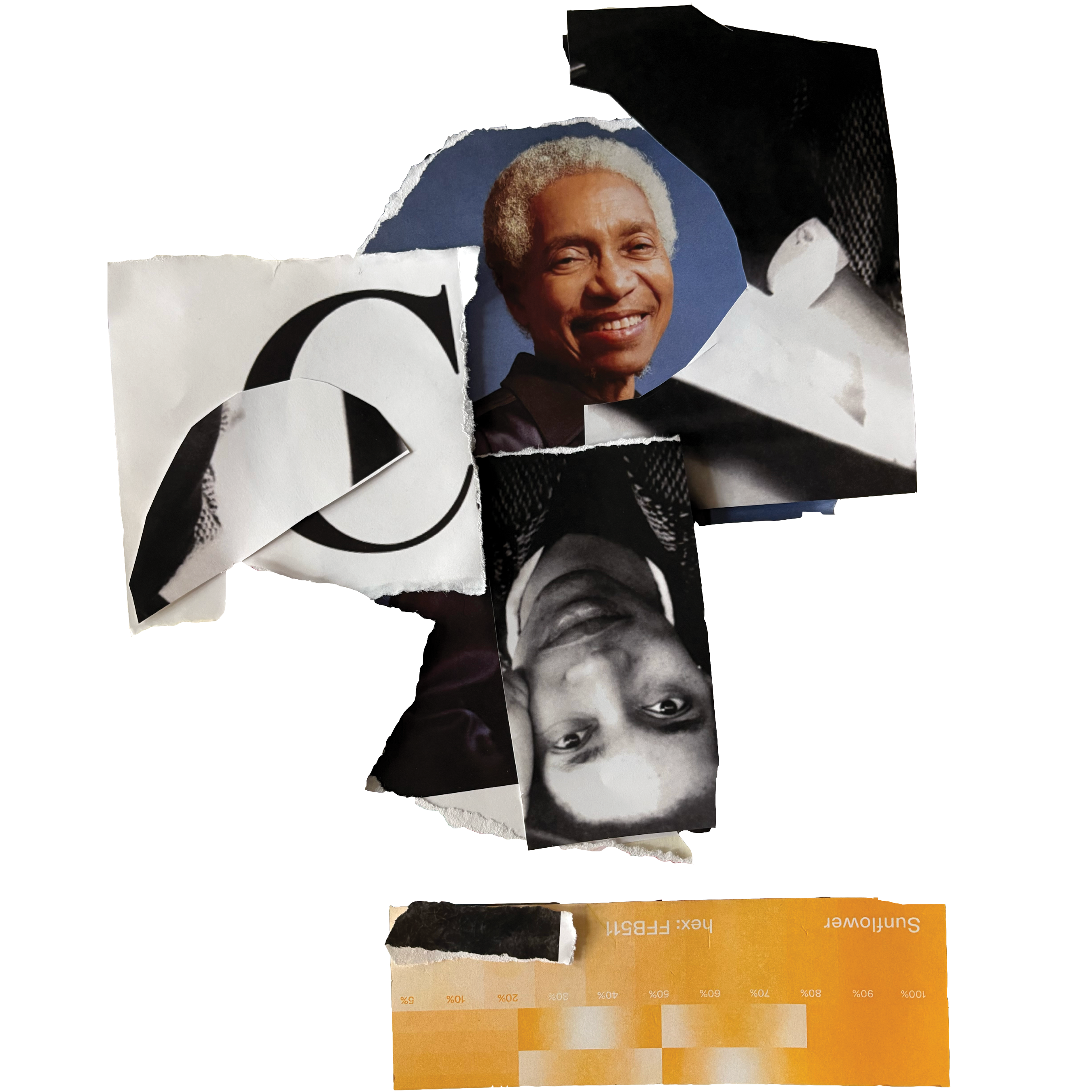
A CONVERSATION ABOUT BEVERLY GLENN-COPELAND with Taja Cheek + eli berry
Beverly Glenn-Copeland is trans. His identity isn’t a sidebar to his art—it’s central to it, informing how he sees the world, and interacts with it. His identity is an aspect of his artistic practice, a political declaration, and a spiritual path. In times like these, Glenn and his music help see us through to better days. Do not bend, transcend.
We connected an artist/curator Taja Cheek and an activist eli berry to share their individual perspectives on Glenn’s work—what the music and the person mean to each of them. We hope it offers a few avenues by which new listeners might discover a way into the work. eli was preparing to fly to Cuba with medicine, clothing, and food to aid trans communities on the island. Taja was in the offices of Performance Space New York, the cultural institution in Manhattan’s East Village where she works as the Artistic Director.
INTRODUCTIONS, FIRST ENCOUNTERS, HIS SIGNIFICANCE
TAJA: I remember exactly where I was when I first heard Beverly Glenn-Copeland—I was lying in bed when I got a text from my friend, Kyp Malone.1
At the time, I was working at MoMA PS1, programming a season of Sunday Sessions, the interdisciplinary performance program there. I was so struck by the music—how had I not known about it? Where had it been my whole life? It actually made me kind of upset. I felt this overwhelming need to honor the artist behind it.
I reached out to Glenn’s agent, not expecting much. We went back and forth, and he told me, “Glenn’s not going to come to the U.S. He’s morally opposed to it. He doesn’t feel safe here.” I understood, but I kept the conversation going anyway because I was just so in love with the music and his spirit.
Then, something shifted. The agent eventually said, “You know what? Glenn is really interested in meeting you.” We set up a video call, and I told him about what I was working on.
And then, out of nowhere, Glenn reached out to me directly. He said, “If you people are going through all this trouble, I might as well come to New York.” I was stunned. I told him, “No pressure, but obviously, I’d love for you to.”
And from there, we stayed in touch. Seeing the show Glenn did at Pioneer Works last autumn was… it’s hard to put into words. There were people as far as the eye could see. I was witnessing the growth in his audience from then to now, seeing how his career has expanded, just how many people have found him, and how deeply they see themselves in him. I could spot that moment of recognition, like, Wait a minute—you exist? I see myself in you. I didn’t know this was possible.
ELI: I first learned about Beverly Glenn-Copeland through my comrade Sasha Alexander, one of the founders of Black Trans Media, which is all about black trans people in media—including music. Sasha was like, Oh, there’s this dope artist… And at the time, we were doing projects as black trans men and black transmasculine people, imagining ourselves in the future.
I’m a Black transmasculine cultural worker. (I’m also a percussionist—though not in the way my partner Ahya Simone is a harpist. I just play the djembe for fun.) We are always fascinated by meeting guys over 50, over 60, over 70—because there aren’t many of us that we know of. So, my introduction to him wasn’t even about music—it was about identity.
But when I started listening, I had this thought: Do I want to hear Glenn’s now voice, or do I want to hear the pre-T voice? I was curious about that shift, so I started with the older music.
Then I watched some of his interviews, and hearing him talk about our generation and the ones coming after—it all hits home. The way he thinks about time, about creating, about how sometimes recognition doesn’t come right away—it reminded me of myself. Like—Yo, there’s a guy like us making music, and people are eating it up.
One of the first people I thought of was a comrade of mine who also makes music, and made music pre-T and post-T. And I’m fascinated by that—by how your voice changes after years of training with a certain set of vocal cords, and then coming back to it with a different register. What does that do? How do you adapt?
That’s the kind of conversation I’d love to have with Glenn—one that maybe only another transmasculine person can really have in a humanizing way. Because it’s amazing to me that he didn’t stop. People found his old music, and instead of just sitting with that, he was like, Oh, you like that? Well, here’s something new too.
And honestly, that blows my mind. It’s beautiful. It’s wild.
TAJA: Glenn spent so much time working in children’s television2. It is a huge part of his musical journey and a big part of his story. He’s lived so many lives and done so many things. Mr. Dressup had an impact like [American PBS shows] Mister Rogers’ Neighborhood, or Sesame Street. People look back on it with a lot of admiration. I get the sense that Glenn values that legacy and values his connection to it, as much as he does his own albums.
Even in his band, the musicians are young adults, and some are in their twenties. He’s always had a strong connection with younger generations, and I think that’s something that will always be part of him and his legacy.
ELI: Revolutionary music is part of the black radical tradition. Take a song like James Brown’s “Say It Loud — I’m Black and I’m Proud.”We consider it revolutionary music, right? But then, when you dive into the history behind it and why it was made, you realize it wasn’t created with that exact intention3. But it served the purpose of revolution, and became a vital part of the Black Power movement, something that inspired it to keep going.
When you look at Beverly Glenn-Copeland’s work, it is truly revolutionary, in part because of how he admires and draws from the youth, and inspires them to open their minds.
TAJA: Glenn always seems like he has so much left to do, so many things he still wants to create. He often talks about his music in the context of a shift he and his wife Elizabeth want to see in the culture. Even though he’s been touring a lot and doing all sorts of things and has become something of a celebrity, he doesn’t seem to want to see himself as this “individual savior” and instead focuses on the idea that, “We’re all in this together.”
He wants to build more communal ways of working, living, and being, and he’s positioning his art within that framework. He’s reflecting those values in his work, mirroring what he hopes to see on a societal level.
THE MEANING OF GLENN AS AN ARTIST & AS AN ELDER REMEMBERED WHILE HE’S STILL ALIVE
ELI: I don’t have just one genre for Glenn’s music. When people ask me, What does his music sound like? I can’t really put it into words—you just have to hear it. And then you have to get into it. That’s really the only way.
One part might feel a certain way, but then it shifts into something completely different, and you’re like, Wait, that’s not what I expected.
TAJA: When I first met Glenn, I was reminded of Nina Simone. I think I even told him this when we spent time together. They each had this deep desire to pursue classical music, and did so to a certain extent but were also structurally barred from pursuing it in the ways they wanted to. And they both also have so many other influences too. There’s obviously a strong folk influence with Glenn.
I think one reason his work has had such a powerful resurgence lately is because of those particular synth sounds, perfectly timed with the revival of ambient music that’s been happening over the past several years. His music is a beautiful mix of so many different styles. And for artists who don’t fit neatly into one category, their journey can go in a couple of directions. Either the industry places them into a bunch of different boxes—which can sometimes be great because it allows artists to connect with more communities, which I think is happening for Glenn now. But at the beginning, it can be a struggle. If you show up with a wide range of interests and ways of thinking about and creating art, the industry doesn’t always know how to categorize you. And if they don’t know how to categorize you, they don’t know how to sell or support you.
That happens a lot, especially to artists with marginalized identities—where the response is just, Well, I don’t know what to do with this. But I’m optimistic about how this is and will play out for Glenn in the future.
ELI: Expanding your musical ear is part of the journey with Glenn.
TAJA: His existence alone complicates the industry’s rigid structures. It short-circuits the whole system in the best way. And it benefits all of us when those systems break down.
People can see themselves in Glenn, in all the things he is. His music isn’t separate from him—it is him. A portrait of his life, his experience, and the way he sees the world.
ELI: Absolutely. If you really listen, Glenn’s person is all there, completely raw, completely vulnerable.
It’s like sharing every single piece of himself, and I think that’s so beautiful. Identity is deeply woven into the art, and that’s powerful.
TAJA: Glenn tends to de-center himself, always thinking about the collective, uplifting the musicians and collaborators around him. But this time, it was like—no, this is about you.
I’m just glad he was there to witness it, to see people loving him, celebrating his music, everything he’s done. Because there aren’t many moments like that, especially for Black trans elders. And that’s what makes this so meaningful.
ELI: It’s about older people in general, the way we treat elder musicians, how we recognize them (or don’t). His music was made when I was just a baby, and now, as I’m growing older, I realize how rare it is to see someone in their 70s or 80s still being recognized for their work in this way. It’s grounding. It makes me think about what aging as a trans person could look like. It makes me think about what aging as a person looks like.
A live recording of “Laughter In Summer” from Glenn’s new LP of the same title. It was released last Friday, February 6, 2026 — LISTEN | PURCHASE ON BANDCAMP
MAKING AN ARCHIVE & CREATING NEW HISTORY
TAJA: This past year has been an interesting one for me to think about recent history. I’ve been working at Performance Space New York, and on the Transa compilation, a project by the RedHot organization, both of which have existed since the 1980s and both were products of a real important moment in the East Village. They were both hubs for organizing around AIDS and queer culture.
To have both Performance Space and RedHot in my life at the same time, everything felt like it was converging in the right ways—and then, to watch Glenn performing at the Transa launch event…
ELI: I love that you brought this up.
First it makes me think about Jackie Shane, the American R&B singer who lived in Toronto in the 1960s and had a few songs on the pop music charts in Canada. But the honors did not come until she died.4
Stories of forgotten predecessors like Jackie are why it’s so powerful to see Glenn getting his flowers while he’s still here —to witness this rebirth of his music, 35 years later, it’s incredible.
TAJA: Glenn was, and is, ahead of his time—completely futuristic. How do we turn the kind of art he makes into recorded history that truly reflects his vision, so we can carry his story forward? I’ve thought about this a lot, especially after the first time I watched Summer of Soul5 and listened to the ways that the artists featured in the documentary described themselves versus the ways that they are remembered in the culture.
I know the New York City Trans Oral History Project is one grassroot effort. I got to use some recordings from the archive in my piece for the Transa record. But I think it’s just one person running it, plus a bunch of volunteers. They have a website with hundreds of interviews from people all over the city. But it’s not some big, official institution holding it together—it’s the community itself.
ELI: In my community, Black Trans Media holds a lot of this work. It’s based in Brooklyn, with a physical space there, too. It has this official-sounding name, but at the end of the day, it’s really just a few trans people doing their best to make sense of it all. Mostly, we’re just putting in the work—because that’s what you have to do to keep our histories alive.
To me, it’s one of the most important grassroots institutions out there, really doing the work, documenting, and keeping track of our collective stories.
At the end of the day, making history is about building something together.
Taja Cheek is an artist and curator who is currently the Artistic Director of Performance Space New York and is also known for the music project L’Rain. She presented Beverly Glenn-Copeland’s first American concert at MoMA PS1 in Long Island City, Queens, New York.
eli berry is an organizer and spokesperson dedicated to creating tools and fostering connections that ensure the survival of black trans communities.
Postscript: In September 2024, Beverly Glenn-Copeland shared that he has dementia. Yet he remains a vital and increasingly valorized presence in the culture. He received an honorary doctorate from the University of Toronto in 2023. In October of 2024, he released his highest profile recording to date, collaborating on a cover version of his signature song “Ever New” with pop star Sam Smith. That same month he received the Joyce Warshow Lifetime Achievement Award from SAGE, a non-profit organization which advocates for and serves LGBTQ+ elders
IS NOT LISTENING
Enjoy our recommendations corner from the Is Not Music. staff & friends!
Kara Jackson: “Why Does the Earth Give Us So Much To Love” (2023)
Observational lyrics from a poet about why we’re alive. All-timer levels could be unlocked in the future by this one.
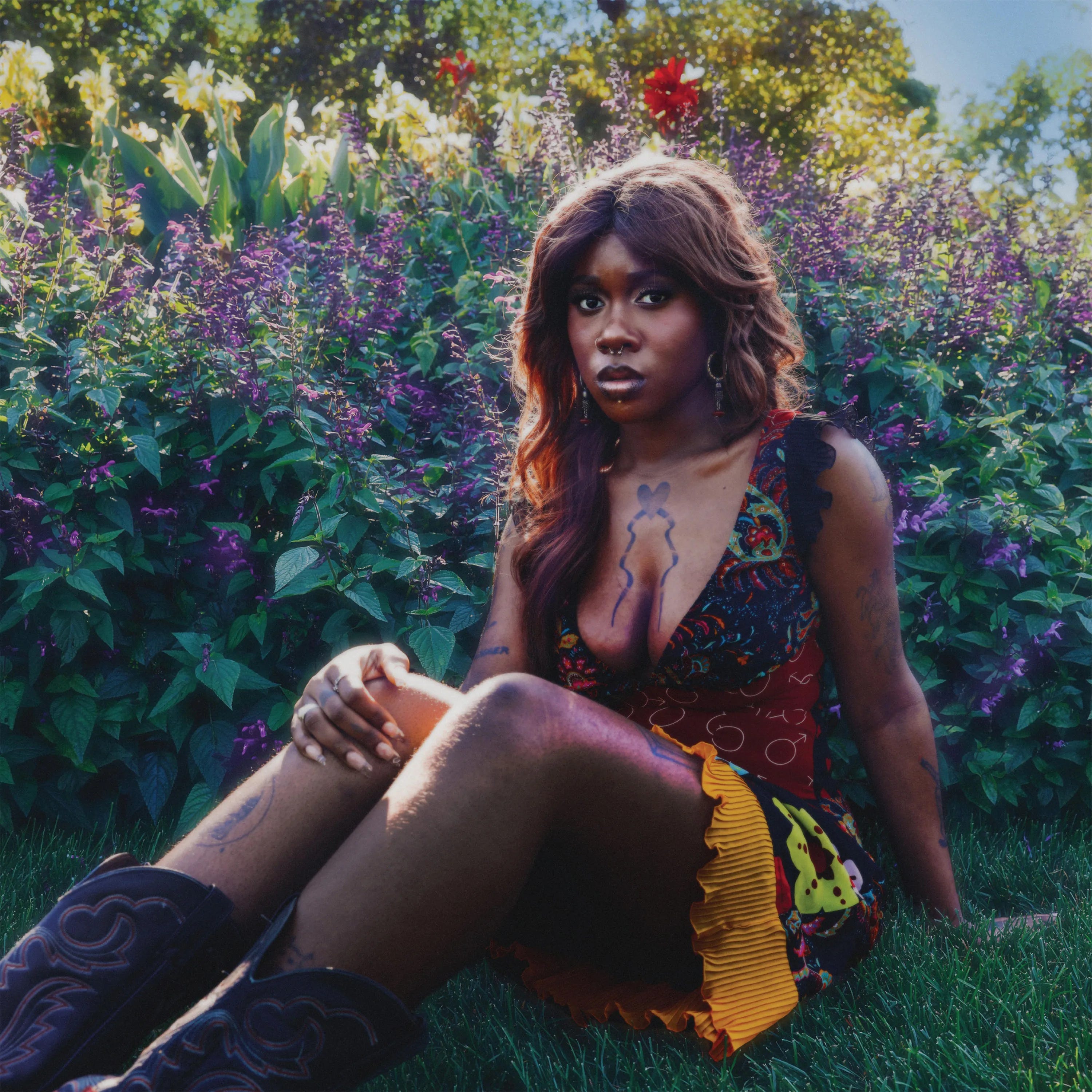
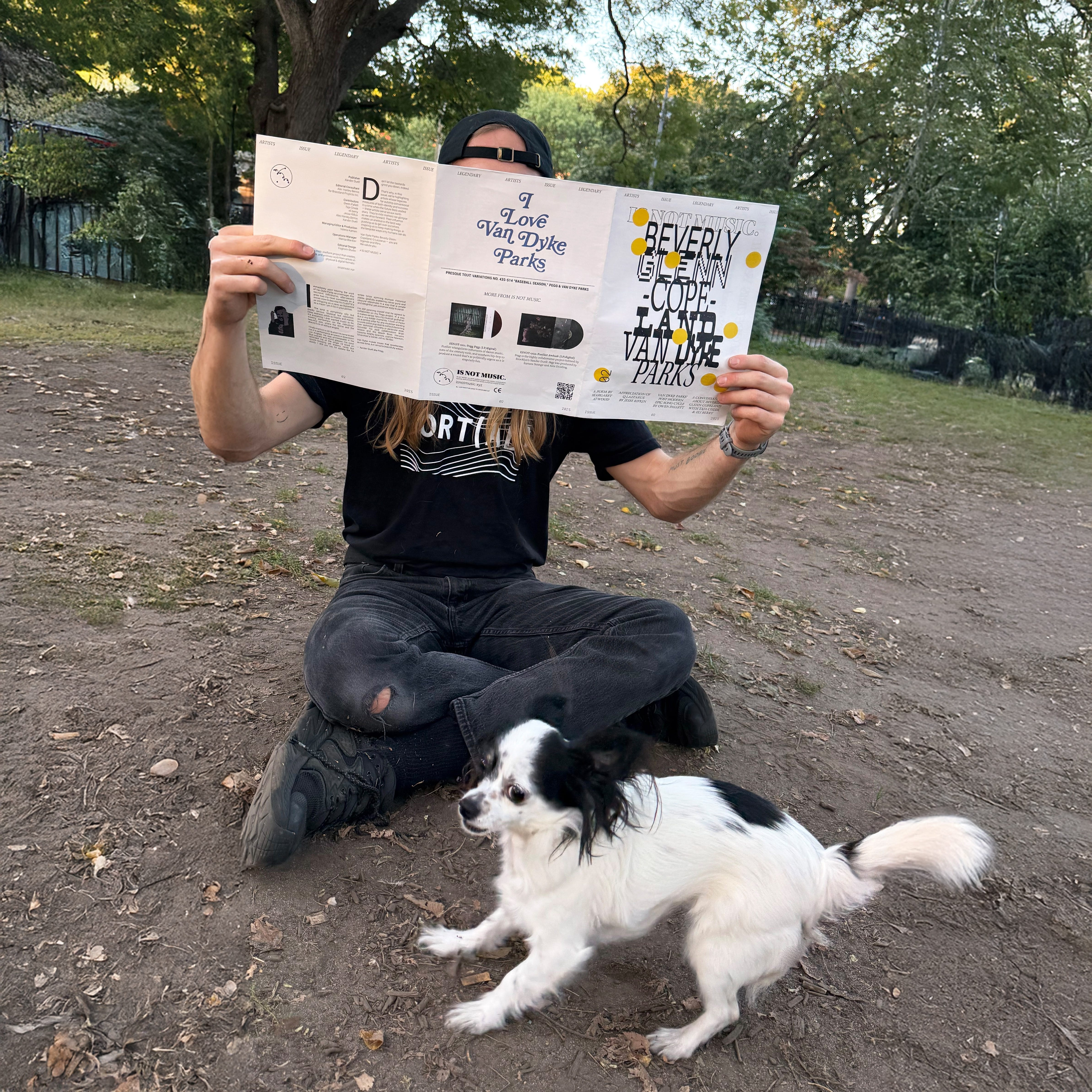
Order a physical copy of IS NOT MUSIC. 02 on Bandcamp Shopify or Metalabel.
Kyp Malone’s projects include the music project Rain Machine and the art-forward gathering space the Francis Kite Club. But he is probably best known as a member of the band TV on the Radio.
Copeland spent twenty-five years entertaining children as a regular actor on the children’s television show Mr. Dressup, a Canadian series which ran on that country’s national broadcaster the CBC from 1967 to 1996.
This 1968 track became an unofficial anthem of the Black Power movement and was a number one R&B single for six weeks, and reached number The song’s call and response chorus is performed by a group of young children, who respond to Brown’s command of “Say it loud” with “I’m black and I’m proud!”
Shane died in 2019. A documentary about her called Any Other Way was released in 2024; popular contemporary artist Janelle Monáe has spoken of drawing inspiration from Shane, and a fictional film about Shane’s life is in development
Summer of Soul (…Or, When the Revolution Could Not Be Televised) is a 2021 documentary directed by Questlove about the 1969 Harlem Cultural Festival, an event celebrating black music and culture featuring artists such as Stevie Wonder, Nina Simone, and Sly and the Family Stone. Traditionally overshadowed by Woodstock in narratives of the 1960s, the documentary functioned both as a concert film and an historical corrective.