

GOODBYE HORSES, HELLO SELF
One musician’s appreciation of Q Lazzarus

For New Yorkers: Kick off the new year this week with Is Not Music on the Lower East Side — RSVP HERE
When: Wednesday January 14 from 5pm to 7pm
Where: The Francis Kite Club, 40 Loisaida Ave, New York, NY 10009
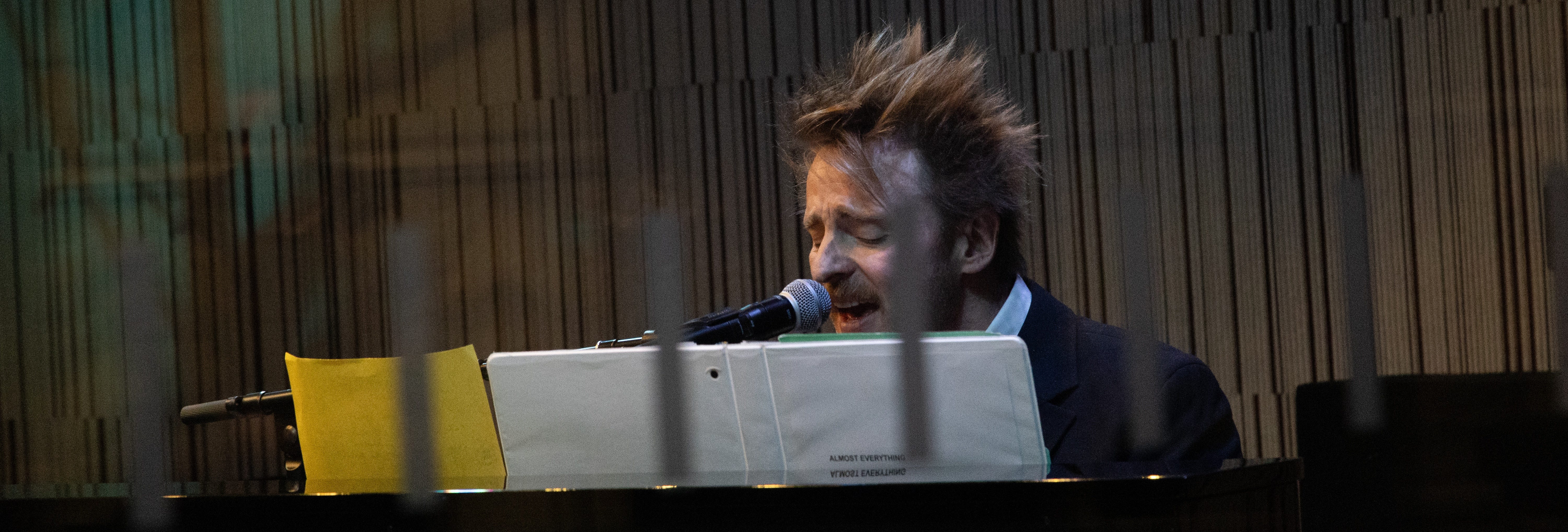
What: Xander Duell (aka Pegg) on keys, free zines, and a brief preview of our 2026 plans.
An Appreciation of Q Lazzarus
by Jesse Rifkin


In the fall of 2011, I decided to break up the band I’d spent the last seven years fronting. I was twenty-five, and although we’d finally attained the bare minimum of what could reasonably constitute “industry buzz,” the identity I’d concocted as a teenager no longer fit. I loathed songs I’d once been proud of, and felt constrained and embarrassed by a folksy aesthetic I knew to be insincere. The stakes felt impossibly high (though of course they were anything but), and I handled the stress poorly. The years I spent in that band are not something I look back on with fondness, and even now, I don’t want to tell you what we were called.
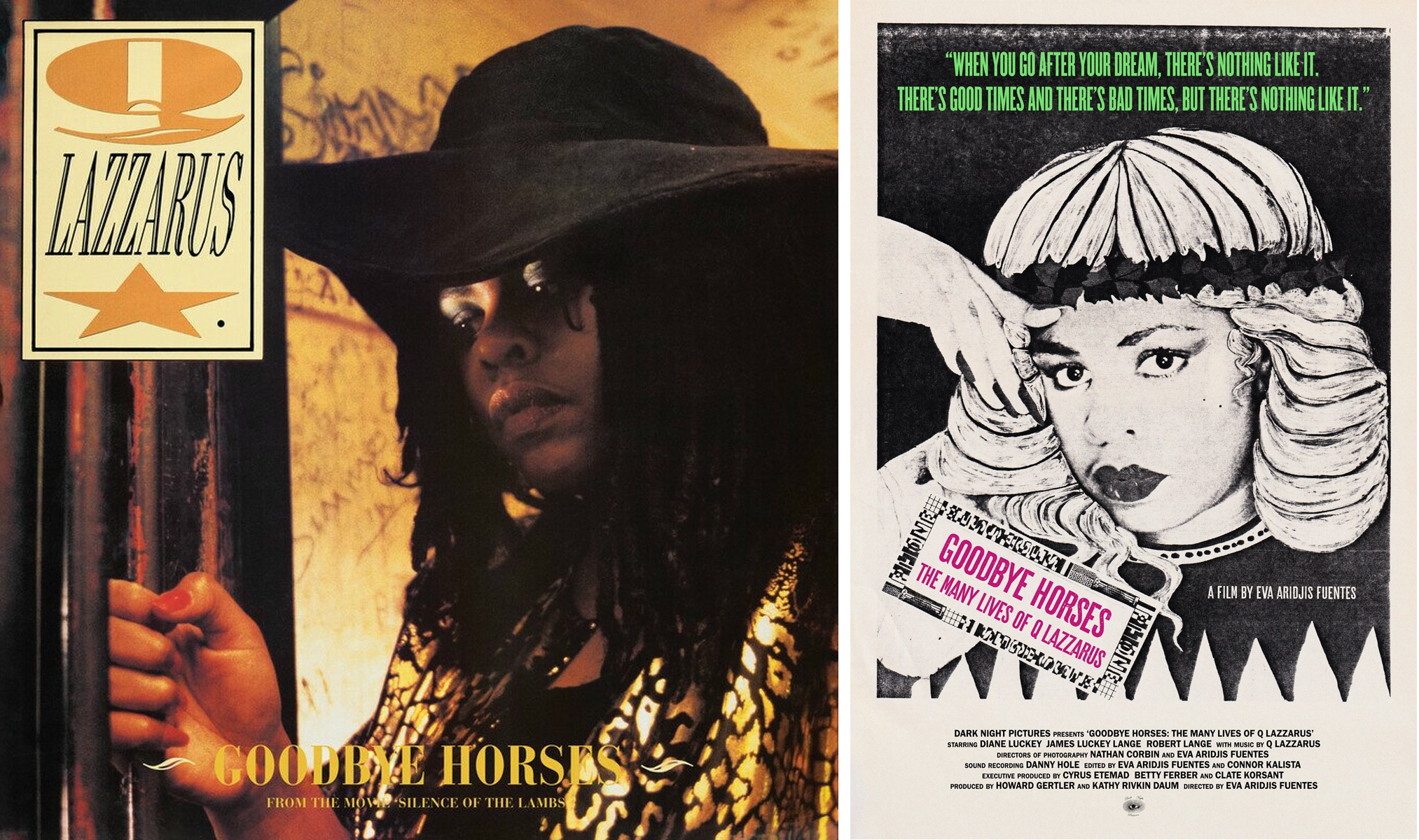
Secure in the knowledge that I was getting out, I booked a final tour for that November. I put a setlist together, shoehorning in a punky cover of Q Lazzarus’ “Goodbye Horses” to keep myself interested. I’d only discovered the song a month earlier, after my partner had put it on, making me one of few listeners who didn’t initially encounter it in Jonathan Demme’s Silence of the Lambs. For that I’m grateful—I’d been able to take “Goodbye Horses” on its own terms, and it had floored me.
The song is structured as a rebuttal to a depressed person who sees their “hopes and dreams lying on the ground.” The singer’s oblique response—“Goodbye horses, I’m flying over you”— refers to horses representing the five senses in Hindu philosophy. In flying over them, Lazzarus transcends the material world and all its navel-gazing bullshit.
It wasn’t hard to see myself in the song: My twenties were all about navel-gazing bullshit. I was petulant and delusional, which drives a lot of youthful art-making, but really sucks to be around.“Goodbye Horses” felt like a promise that I too could transcend my own insufferable crap, which genuinely had not occurred to me.
Because of her androgynous voice and darkwave vibe, I imagined Q Lazzarus as a band of British men with goofy haircuts. I was surprised to learn that the “band” was in fact a Black woman from New Jersey named Diane Luckey, about whom little information was available. She’d recorded a perfect song then vanished.
When I finally saw Silence of the Lambs, I was taken aback by the way Luckey’s masterpiece was awkwardly shoehorned into a creepy (and very problematic) scene—you know the one. It seemed to misappropriate the song’s tenderness. But Demme was Luckey’s only champion at the time. They’d met when she was his cab driver during a Manhattan snowstorm; she played a tape of her music, and he was astonished.
In the end, “Goodbye Horses” and its B-side were the only songs Luckey released commercially. She developed a drug problem, spent time on the street, and was eventually incarcerated. By the 2000s, she got sober, lived on Staten Island with a husband and son and, once again, found work as a driver.
In 2019, she gave a ride to another filmmaker, Eva Aridjis Fuentes. Luckey consented to interviews which form the backbone of Aridjis Fuentes’ recently released documentary Goodbye Horses: The Many Lives of Q Lazzarus. Luckey never saw the final product. In 2022, she died of sepsis while hospitalized with a broken leg. She was 61 years old.
On that final tour, “Goodbye Horses” was an uplifting, cathartic moment I savored during otherwise joyless sets. Audiences responded positively, presumably because it was fun to recognize the song from the cannibal movie. But it was really just a public expression of my private intention to become a kinder, happier person.
Most bands go nowhere and fall apart, and that’s often a blessing in disguise for everyone involved. My life didn’t change overnight. Other disappointments followed, and things didn’t start to turn around until my early thirties. But leaving that band was the first in a series of decisions I made that eventually saved my ass from a life of alienating behavior and diminishing returns. The horses still do their thing, but at least I’m working on my goodbyes.
Jesse Rifkin is a music historian who owns & operates Walk on the Wild Side Tours NYC. He is author of This Must Be The Place: Music, Community, and Vanished Spaces in New York City (Hanover Square Press, 2023).
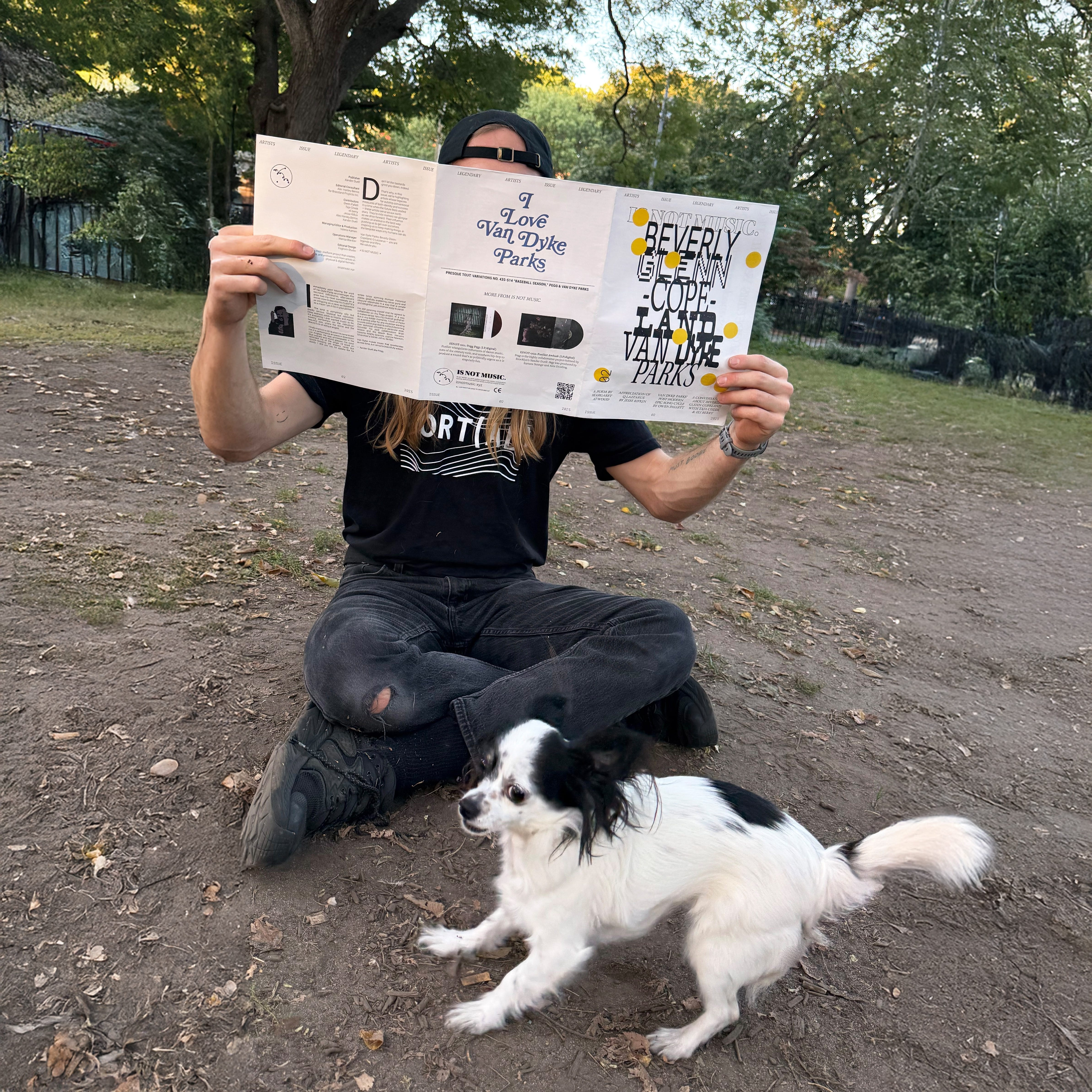
This article first appeared in IS NOT MUSIC. 02, which can be purchased as a physical copy, or downloaded as a free PDF on Metalabel, Bandcamp, or Shopify.
Miscellany from IS NOT MUSIC.
🟡 Goodbye Horses: The Many Lives of Q Lazzarus documentary
The film’s trailer appears below. — NEW YORK TIMES REVIEW | STREAMING ON THE CRITERON CHANNEL
🟡 Wet Mess in New York City:
Wet Mess performs in NYC each evening this week from Tuesday January 13 to Saturday January 17 at Dixon Place on the Lower East Side. The British performer, who featured in Pegg’s “Sweetheart” video, “messifies transitions, testosterone and the edges of drag.” — TICKETS & DETAILS | INSTAGRAM
Order a physical copy of IS NOT MUSIC. 02 on Bandcamp Shopify or Metalabel.
 | A guest post by
|
This is a wonderful article! Thanks!
Goodbye Horses is a lost dark vocal synth gem. Thanks for the piece. Every band has it’s life, people grow, sometimes collaborations no longer suit the person you have become.